The interest around ChatGPT ads comes from user behaviour rather than an actual ad product. People are increasingly comfortable asking questions inside AI tools instead of typing searches into Google.
Those conversations often carry high intent. Users are not scrolling or browsing. They are asking specific questions and actively looking for answers. From a marketing point of view, that is naturally appealing.
Marketers are also used to spotting patterns early. Search ads, social ads and video platforms all started as experiments before becoming mainstream. ChatGPT falls into the same category of emerging attention space, even if advertising is not available yet.
This interest is about preparation, not replacement.
If advertising ever appears inside ChatGPT or similar tools, it is unlikely to look like traditional digital ads. There would be no banners, feeds or swipe-based formats.
Instead, promotional content would need to sit within or alongside conversational responses. That could mean clearly labelled suggestions, sponsored recommendations or brand mentions where they genuinely match the question being asked.
The key difference would be tone. Conversational environments demand relevance and usefulness. Anything overly sales focused would feel out of place very quickly.
This is where strong messaging and clear positioning matter more than flashy creative.
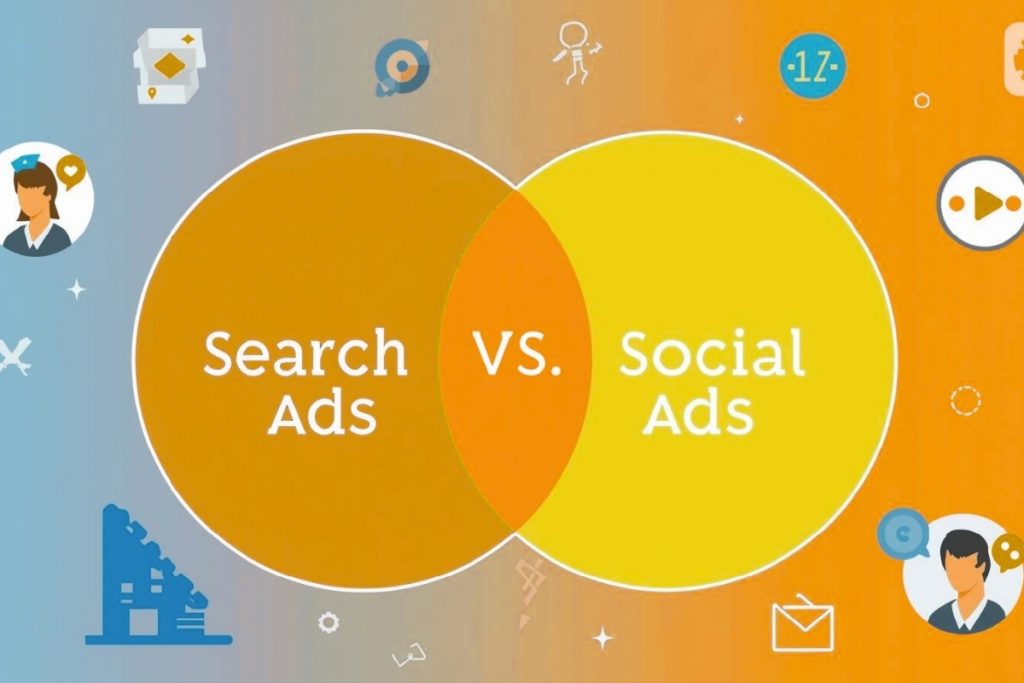
Search and social advertising are still doing exactly what they do best. Search captures demand. Social creates demand. Both offer scale, control and reliable performance data.
Conversational tools operate differently. Users are focused on a single interaction, not scanning results or scrolling feeds. That changes how messaging needs to sound and how success might be measured.
Rather than clicks alone, brands may need to think about presence, influence and brand recall within decision moments. That does not replace performance marketing. It simply adds another layer to how people discover and trust information.
Search and social remain the foundation. Conversational platforms would sit alongside them, not instead of them.
There is clear potential around relevance. Being present when someone asks a direct question could be valuable for the right brands in the right context.
There are also real limitations. Scale is unknown. Controls would likely be limited at first. Transparency and trust would be essential, especially in environments people view as informational rather than commercial.
It is also worth remembering that none of this exists yet in a paid format. For now, this is about understanding direction rather than chasing execution.
The short answer is relax No one is missing out.
The smarter move is to focus on what already works. Strong Google Ads campaigns, well run paid social and solid content strategies still deliver results every day.
Alongside that, it makes sense to keep an eye on how conversational platforms evolve. Think about messaging that sounds natural, helpful and clear. If it would feel awkward in a real conversation, it probably will not work in an AI driven one either.
When advertising options do eventually appear, brands that understand both performance marketing and conversational behaviour will be in the best position to test without panic.
ChatGPT is not running ads and it is not about to replace search or social advertising. What it does show is how quickly user behaviour continues to evolve.
For marketers, the real value right now is awareness, not action. Understanding where conversational platforms could fit alongside search and social keeps strategies flexible and future ready.
If you want help working out how new advertising channels fit alongside search and social campaigns that already deliver results, get in touch with the team at Bold Online Marketing can help you cut through the noise and focus on what actually matters.