For any business investing in digital marketing, visibility in search is critical. But before a user visits your website, reads your content, or makes a purchase, they pass through one important gateway: the SERPs.
Search engine results pages (SERPs) are where users decide which brand to trust, which link to click and which business appears most credible. With increasing competition and evolving search features, understanding how search engine results pages work is essential for improving traffic, brand recognition and overall marketing performance.

Get your free digital marketing quote
Take the first step towards digital success and let’s start driving results.
What SERPs Are and How They Work
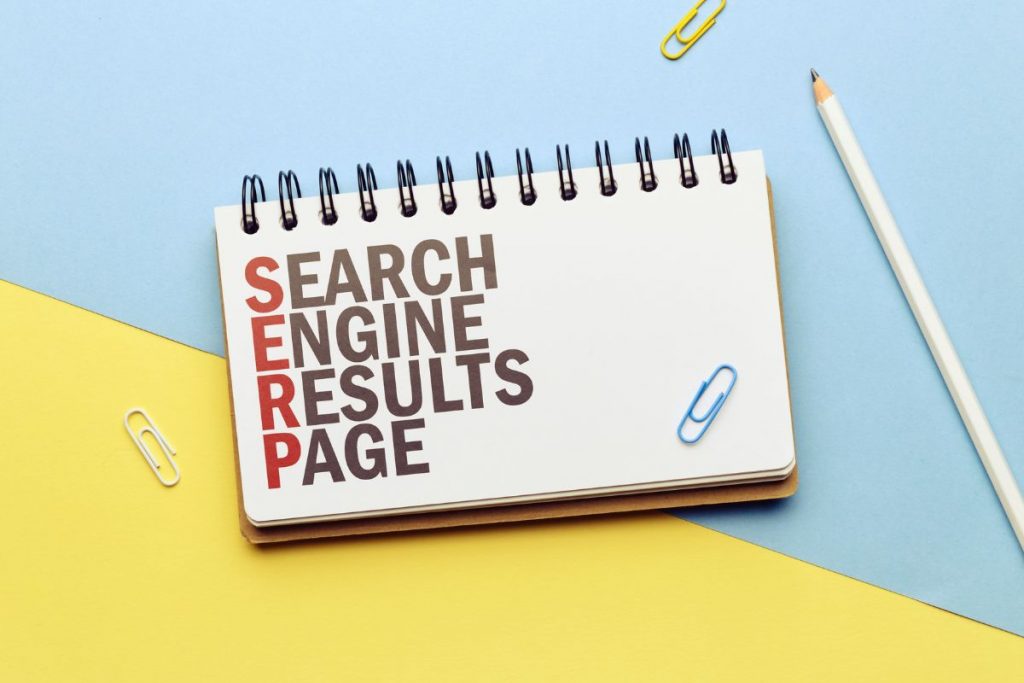
SERPs are the pages displayed by search engines after a user enters a query. These pages list results considered most relevant to the search term.
Search engines use complex ranking algorithms to determine which pages appear and in what order. While the full algorithm is not publicly disclosed, we know it evaluates factors such as:
- Keyword relevance
- Content quality
- Website authority
- Page experience
- User behaviour signals
Before appearing on SERPs, pages must first be indexed. Search engines crawl websites, analyse their content and store information in their index. When a user performs a search, the algorithm retrieves and ranks relevant pages in milliseconds.
A key distinction on search engine results pages is between organic results and paid search results. Organic results appear naturally based on relevance and authority. Paid search results are advertisements placed through platforms such as Google Ads and are typically marked as “Sponsored”.
Understanding this difference is fundamental when planning a search marketing strategy.
Why SERP Visibility Matters for Click-Through Rates
Ranking highly on SERPs directly impacts click-through rate (CTR). Numerous studies show that the top few positions on search engine results pages receive the majority of clicks.
Users tend to trust higher-ranking pages more. Appearing on page two or three significantly reduces visibility and traffic potential.
However, ranking alone is not enough. Your listing must also encourage users to click. Title tags and meta descriptions act as your “advert” within the organic results. Clear, benefit-driven messaging can significantly improve click-through rate even if you are not in the top position.
For example, two listings may rank next to each other, but the one with a clearer value proposition and stronger call to action often attracts more clicks.
Key Elements That Appear on Modern SERPs
Modern SERPs are far more dynamic than simple lists of blue links. Today’s search engine results pages may include:
- Featured snippets (quick-answer boxes at the top of results)
- Knowledge panels with brand or entity information
- Local map packs for location-based searches
- Image and video carousels
- Shopping ads and sponsored product listings
These elements compete for attention and can push traditional organic results further down the page.
Understanding these features helps businesses identify additional opportunities for visibility beyond standard rankings.
How User Intent Shapes SERP Results
User intent plays a major role in shaping what appears on SERPs. Search queries generally fall into three categories:
- Informational – The user is looking for knowledge (e.g., “what are SERPs?”)
- Navigational – The user wants a specific website or brand
- Transactional – The user intends to make a purchase or take action
Search engines adapt results depending on intent. Informational queries may trigger featured snippets and guides. Transactional searches are more likely to display paid search results and product listings.
If content does not align with search intent, it is unlikely to perform well. Businesses must ensure that their content answers the specific purpose behind the query rather than simply targeting keywords.
The Impact of SERP Features on Organic Clicks

The rise of SERP features has introduced the concept of zero-click searches. In some cases, users find the information they need directly on the search engine results pages without clicking through to a website.
Featured snippets can both reduce and increase traffic. If your content earns the snippet position, visibility increases significantly. If a competitor secures it, your organic results may receive fewer clicks.
Similarly, knowledge panels and local packs can draw attention away from standard listings.
To maintain visibility, businesses should:
- Optimise content for snippet opportunities
- Use structured headings and concise answers
- Strengthen brand recognition
- Combine organic and paid strategies
Search continues to evolve and adapting to changes in SERPs is essential for maintaining strong performance.
Paid vs Organic Results on the SERPs
Both organic results and paid search results have strategic value.
Organic listings often carry greater long-term credibility and trust. They do not require direct payment per click and can generate sustainable traffic over time.
Paid search results, however, offer immediate visibility and precise targeting. They appear at the top of search engine results pages and are particularly effective for competitive or transactional keywords.
Rather than viewing them as competing approaches, many businesses benefit from combining both. Paid campaigns can generate short-term visibility while organic optimisation builds long-term authority.
How Branding Influences Click Behaviour on SERPs
Brand recognition plays a significant role in click behaviour.
When users see a familiar brand name in the organic results, they are more likely to trust and select it. Consistent messaging across title tags, meta descriptions and ad copy reinforces credibility.
Reviews and ratings also influence decision-making, particularly in local searches. Strong branding helps improve click-through rate even when ranking position remains unchanged.
In competitive markets, brand authority can be the deciding factor between two similar listings.
Optimising Content to Stand Out on the SERPs
Improving performance on SERPs requires a strategic approach.
Key optimisation tactics include:
- Writing compelling, keyword-aligned title tags
- Crafting persuasive meta descriptions
- Implementing structured data (schema markup)
- Improving page speed and mobile usability
- Monitoring performance in analytics and search tools
Structured data can help search engines better understand your content and potentially enhance listings with rich results.
Regular performance reviews allow businesses to identify declining click-through rates, shifting rankings and new optimisation opportunities.
SERPs are more than just lists of links. They are competitive environments where brands fight for visibility, trust and clicks.
Understanding how search engine results pages work — from ranking signals and user intent to SERP features and branding — allows businesses to improve both visibility and click-through rate.
Success requires alignment between content, technical optimisation and search strategy. As search behaviour continues to evolve, businesses that adapt to changes in SERPs will be better positioned to capture attention and convert searchers into customers.
If you’d like support improving your visibility across SERPs and driving stronger search performance, contact us today to discuss how we can help.